
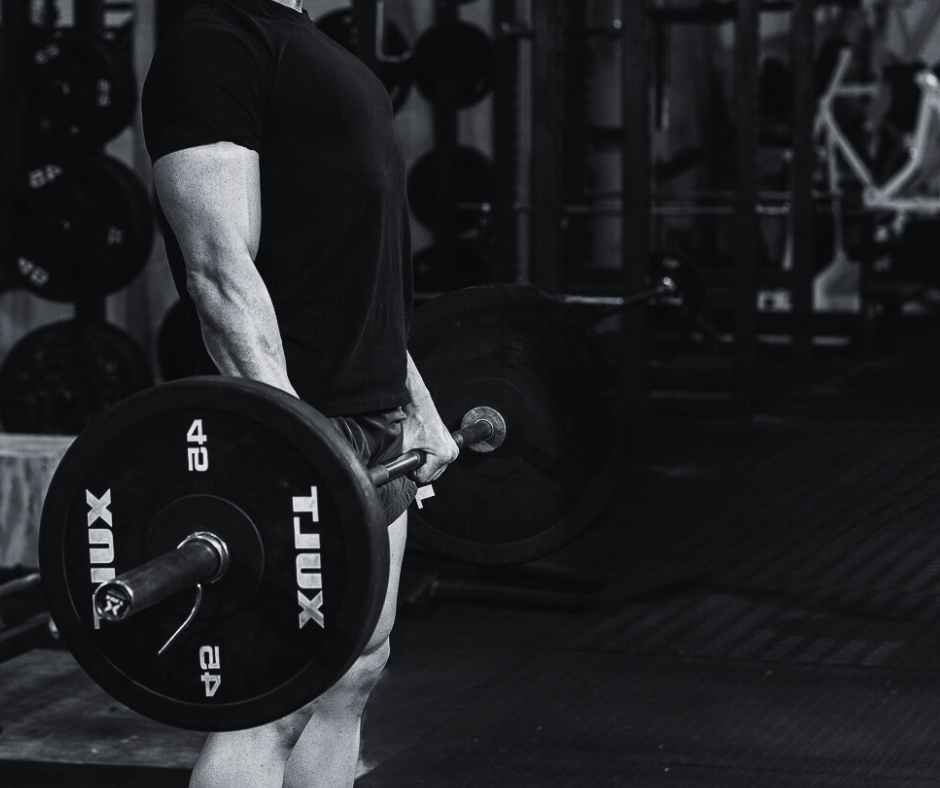
A 12-Week Muscle-Driven Brain Health Protocol
E4 Strength integrates exercise, sleep, nutrition, and social connection into a precision approach personalized to support cognitive performance, energy, and healthy aging.
Designed for adults 35–60 who want an evidence-based plan—not generic tips—and are ready to implement.
Best for professionals noticing brain fog, inconsistent sleep, stalled strength gains, or concern about cognitive trajectory—E4 Strength provides an integrated, evidence-based plan you can execute.


Founded by Johns Hopkins-trained exercise physiologist and cognitive neuroscientist Dr. Alfonso Alfini, PhD, MS, CSCS
Dementia Is a Global Crisis - But Not an Inevitable One.
Every 3 seconds someone develops dementia - yet up to 45% of cases may be preventable.
Science shows that by addressing 14 key risk factors, we can reduce the risk of and slow cognitive decline.
Lifestyle choices—especially around muscle health and daily rhythms—can dramatically shift risk trajectory.
E4 Strength gives you practical, science-backed tools to help protect your brain and body.
See The 14 Key Risk Factors (Lancet 2024)
- Physical inactivity
- Obesity
- Diabetes
- Hypertension
- High LDL cholesterol
- Depression
- Social isolation
- Less education
- Hearing loss
- Vision loss
- Smoking
- Excess alcohol
- Air pollution
- Traumatic brain injury (TBI)
Reference: Livingston, G., Huntley, J., Liu, K. Y., et al. (2024). Dementia prevention, intervention, and care: 2024 report of the Lancet Standing Commission. Lancet, 404(10452), 572–628. PubMed

The number of new dementia cases could triple by 2050.
E4 Strength
Skeletal muscle is increasingly recognized as a powerful organ for brain health. Beyond movement, contracting muscle releases signaling molecules—known as myokines—that modulate inflammation and metabolism and stimulate factors like BDNF that support learning and memory. This muscle–brain connection helps explain why maintaining strength is linked with slower cognitive decline and reduced dementia risk.
Sleep and nutrition amplify these benefits. The body’s circadian rhythms, which are partly regulated by skeletal muscle, play a critical role in brain recovery and cognitive performance. At the same time, adequate protein and balanced nutrition provide the raw materials for muscle repair and function, sustaining the flow of protective signals. Together, muscle quality, restorative sleep, and proper nutrition form a foundation for resilience against dementia.
Staying active also supports social stimulation and cognitive engagement; when physical capacity declines, people often move less, reducing social and cognitive stimulation, and accelerating impairment.
- Muscle → Brain Signals Exercise releases protective myokines that support learning and memory.
- Strength Matters Maintaining muscle mass and strength is associated with lower dementia risk.
- Sleep & Nutrition Amplify Circadian alignment and balanced, MIND-style energy sustain muscle’s brain-protective signaling.
- Connection & Cognitive Engagement Remaining active helps maintain social stimulation and cognitive engagement—key buffers against decline.
At E4 Strength, we operationalize this science across four pillars—Exercise, Sleep, Nutrition, and Connection.
Reference
- McNeish, B. L., Miljkovic, I., Liu-Ambrose, T., et al. (2025). Muscle–brain crosstalk as a driver of brain health in aging. Geroscience. Online ahead of print. PubMed

The Future of Brain Health Begins with Muscle
Four Pillars,Timed Together

Exercise
Progressive resistance, aerobic, and mobility training, timed to your body's daily rhythm to maximize adaptation and recovery.
Sleep
Consistent routines, light exposure, and circadian timing to drive tissue repair and memory consolidation.
Nutrition
MIND-style, whole-food nutrition, timed across the day to support metabolic health and circadian alignment.
Connection
Social connection and cognitive engagement, built into your experience through E4 community rather than a solo routine.
E4 Strength integrates evidence-based training, sleep, and nutrition timing with the community and connection that make it sustainable.




PROPRIETARY FRAMEWORK
The S.T.R.E.N.G.T.H.™ Method
Why E4 STRENGTH

I founded E4 Strength because I believe building muscle health is one of the most powerful ways to protect your brain. My mission is to translate science into strength — helping people optimize cognitive function, enhance physical performance, and build a strong foundation for long-term health.
For the past 20 years, I've studied how exercise, sleep, and daily rhythms impact brain health — work rooted in my PhD in exercise physiology and cognitive neuroscience. My experience at Johns Hopkins and the NIH helped shape my evidence-based approach to performance and resilience.
Before my scientific career, I was a teacher, coach, and NCAA athlete; a background that taught me the best science only matters if it can be applied in real life. At E4 Strength, I combine high-level research with practical coaching to translate evidence into meaningful results for the people I work with.
"Targeting muscle with effective lifestyle strategies supports brain health and cognition across the lifespan."
Academic & Professional Credentials
- Program Director, Sleep Disorders Medicine — National Institutes of Health
- Faculty, Neurology — Johns Hopkins School of Medicine
- Postdoctoral Fellow, Aging & Dementia — Johns Hopkins School of Medicine
- PhD, Exercise Physiology & Cognitive Neuroscience — University of Maryland
- Predoctoral Fellow, Sleep & Circadian Science — University of British Columbia
- MS, Strength & Conditioning — George Washington University
- CSCS — National Strength & Conditioning Association
Select Publications
- Aggarwal, B., Gao, Y., Alfini, A., et al. (2025). Sleep and circadian rhythms in cardiovascular resilience: mechanisms, implications, and a roadmap for research and interventions. Nature Reviews Cardiology. Online ahead of print. PubMed
- Guida, J. L., Alfini, A. J., Lee, K. C., et al. (2023). Integrating sleep health into resilience research. Stress & Health, 39(S1), 22–27. PubMed
- Alfini, A. J., Won, J., Weiss, L. R., et al. (2022). Cardiorespiratory fitness as a moderator of sleep-related associations with hippocampal volume and cognition. Brain Sciences, 12(10), 1360. PubMed
- Alfini, A. J., Albert, M., Faria, A. V., et al. (2021). Associations of actigraphic sleep and circadian rest/activity rhythms with cognition in the early phase of Alzheimer's disease. SLEEP Advances, 2(1), zpab007. PubMed
- Won, J., Alfini, A. J., Weiss, L. R., et al. (2019). Semantic memory activation after acute exercise in healthy older adults. Journal of the International Neuropsychological Society, 25(6), 557–568. PubMed
- Alfini, A. J., Weiss, L. R., Nielson, K. A., et al. (2019). Resting cerebral blood flow after exercise training in mild cognitive impairment. Journal of Alzheimer's Disease, 67(2), 671–684. PubMed
Media Appearances
- The New York Times (2019). How Exercise Affects Our Memory. Link
- Psychology Today (2019). 30 Minutes of Aerobic Exercise Supercharges Semantic Memory. Link
- ScienceDaily (2019). Exercise Benefits Brains, Changes Blood Flow in Older Adults, Study Finds. Link
- The New York Times (2016). Brain Benefits of Exercise Diminish After Short Rest. Link
- Men's Health (2016). 4 Ways Your Brain Suffers When You Stop Working Out. Link
Grounded in Science
Our approach is built on evidence-based habits shown to strengthen both brain structure and performance—woven into a personalized, muscle-driven plan.
These habits not only address the 14 dementia risk factors but also influence brain health directly.
-
Brain Volume & Thickness
Fitness, nutrition, and sleep are linked to healthier brain volume and cortical structure.
References
- Reiter, K., Nielson, K. A., Smith, T. J., Weiss, L. R., Alfini, A. J., & Smith, J. C. (2015). Improved cardiorespiratory fitness is associated with increased cortical thickness in mild cognitive impairment. Journal of the International Neuropsychological Society, 21(10), 757–767. PubMed
- Gu, Y., Brickman, A. M., Stern, Y., et al. (2015). Mediterranean diet and brain structure in a multiethnic elderly cohort. Neurology, 85(20), 1744–1751. PubMed
- Fjell, A. M., Sørensen, Ø., Amlien, I. K., et al. (2020). Self-reported sleep relates to hippocampal atrophy across the adult lifespan: Results from the Lifebrain consortium. Sleep, 43(5), zsz280. PubMed
-
White Matter Integrity
Resistance training and healthy nutrition are linked to better preservation of white matter.
References
- Bolandzadeh, N., Tam, R., Handy, T. C., et al. (2015). Resistance training and white matter lesion progression in older women: A 12-month randomized controlled trial. Journal of the American Geriatrics Society, 63(10), 2052–2060. PubMed
- Rodrigues, B., Coelho, A., Portugal-Nunes, C., et al. (2020). Higher adherence to the Mediterranean diet is associated with preserved white matter integrity and altered structural connectivity. Frontiers in Neuroscience, 14, 786. PubMed
-
Cerebral Blood Flow
Exercise, nutrition, and sleep influence cerebral blood flow and related cognitive function.
References
- Stillman, C. M., Jakicic, J., Rogers, R., Alfini, A. J., Smith, J. C., Watt, J., Kang, C., & Erickson, K. I. (2021). Changes in cerebral perfusion following a 12-month exercise and diet intervention. Psychophysiology, 58(7), e13589. PubMed
- Zhou, F., Huang, M., Gu, L., et al. (2019). Regional cerebral hypoperfusion after acute sleep deprivation: An ASL-fMRI study. Medicine, 98(2), e14008. PubMed
- Alfini, A. J., Weiss, L. R., Nielson, K. A., Verber, M. D., & Smith, J. C. (2019). Resting cerebral blood flow after exercise training in mild cognitive impairment. Journal of Alzheimer's Disease, 67(2), 671–684. PubMed
-
Functional Connectivity
Circadian timing, social connection, and aerobic exercise are linked to healthier communication across brain networks.
References
- Facer-Childs, E. R., Campos, B. M., Middleton, B., Skene, D. J., & Bagshaw, A. P. (2019). Circadian phenotype impacts the brain's resting-state functional connectivity, attentional performance, and sleepiness. Sleep, 42(5), zsz033. PubMed
- Pillemer, S., Holtzer, R., & Blumen, H. M. (2017). Functional connectivity associated with social networks in older adults. Social Neuroscience, 12(3), 242–252. PubMed
- Chirles, T. J., Reiter, K., Weiss, L. R., Alfini, A. J., Nielson, K. A., & Smith, J. C. (2017). Exercise training and functional connectivity changes in mild cognitive impairment and healthy elders. Journal of Alzheimer's Disease, 57(3), 845–856. PubMed
-
Neural Efficiency
Sleep and resistance training influence neural efficiency and executive function.
References
- Drummond, S. P., Brown, G. G., Stricker, J. L., Buxton, R. B., Wong, E. C., & Gillin, J. C. (1999). Sleep deprivation-induced reduction in cortical functional response to serial subtraction. NeuroReport, 10(18), 3745–3748. PubMed
- Liu-Ambrose, T., Nagamatsu, L. S., Voss, M. W., Khan, K. M., & Handy, T. C. (2012). Resistance training and functional plasticity of the aging brain: A 12-month randomized controlled trial. Neurobiology of Aging, 33(8), 1690–1698. PubMed
-
Amyloid-β & Tau Pathology
Sleep and social connection are associated with differences in Alzheimer's-related amyloid and tau pathology.
References
- Spira, A. P., Gamaldo, A. A., An, Y., et al. (2013). Self-reported sleep and β-amyloid deposition in community-dwelling older adults. JAMA Neurology, 70(12), 1537–1543. PubMed
- d'Oleire Uquillas, F., Jacobs, H. I. L., Biddle, K. D., et al. (2018). Regional tau pathology and loneliness in cognitively normal older adults. Translational Psychiatry, 8(1), 282. PubMed
-
Prevention potential
≈45% Avoidable
Nearly half of all dementia cases may be preventable by addressing modifiable risk factors (midlife action matters).
Reference
- Livingston, G., Huntley, J., Liu, K. Y., et al. (2024). Dementia prevention, intervention, and care: 2024 report of the Lancet standing Commission. Lancet, 404(10452), 572–628. PubMed
-
Muscle strength
Brain Gains
Greater muscle strength is linked to lower dementia risk, sharper cognition, and healthier brain structure.
Reference
- Duchowny, K. A., Ackley, S. F., Brenowitz, W. D., et al. (2022). Associations between handgrip strength and dementia risk, cognition, and neuroimaging outcomes in the UK Biobank cohort study. JAMA Network Open, 5(6), e2218314. PubMed
-
Age-related muscle loss
≈2x Risk
Losing muscle with age is associated with nearly double the dementia risk (preserving muscle protects the brain).
Reference
- Ling, Y., Yuan, S., Huang, X., et al. (2024). Association between probable sarcopenia and dementia risk: A prospective cohort study with mediation analysis. Translational Psychiatry, 14(1), 398. PubMed
-
Multidomain intervention
Proven Benefits
Structured programs combining exercise, nutrition, and brain training improve global cognitive function.
Reference
- Baker, L. D., Espeland, M. A., Whitmer, R. A., et al. (2025). Structured vs self-guided multidomain lifestyle interventions for global cognitive function: The US POINTER randomized clinical trial. JAMA, 334(8), 681–691. PubMed
What’s Included
A Precision, Muscle-Driven Coaching Experience in Three Steps.
Step 1
Assess
Establish your current health profile.
Step 2
Personalize
Align strategies with your timing.
Step 3
Re-Assess & Adapt
Measure change. Adapt the plan.
Full Protocol
Exercise
- Fitness & Movement Review
- Progressive Resistance Training & Timing
- Aerobic Exercise Plan
- Mobility & Fall Prevention
Sleep
- Sleep & Circadian Habits Review
- Sleep & Circadian Hygiene Strategies
- Behavior Timing Plan
- Bright Light Therapy
Nutrition
- Nutrition Habits Review
- MIND-Diet Principles, Macronutrients & Meal Timing
- Body Composition Discussion
- Micronutrient & Supplement Education
Connection
Delivered through weekly E4 Community Discussions: social connection strategies, mindfulness and stress management topics, cognitive engagement discussions, and guidance on when to follow up with your doctor on key health markers (BP, glucose, LDL, hearing, vision).
Cadence
- Weekly: E4 Community Discussions, Adherence, Streaks
- Mid-Cycle: Targeted Progress Review
- End-of-Cycle: Progress Review & Plan Update
Frequently Asked Questions
What is E4 Strength?
E4 is a precision, lifestyle program focused on four pillars—Exercise, Sleep, Nutrition, and Connection—to build muscle health that supports brain function and longevity.
Who is it for (and can my partner join)?
High-performing adults (often age 30+, but all are welcome), people proactive about brain health, and athletes/executives optimizing longevity and cognition. New to training is welcome, too. Yes—partners or family members can join; social support improves adherence and outcomes.
Is “E4” related to the APOE ε4 gene?
No. Here, E (ε) stands for precision; “4” refers to the four pillars. The program is lifestyle-based and not a genetics service.
How is the plan personalized—and how much time/equipment will I need?
Then we personalize training and recovery, sleep timing, and meal timing and targets to fit you.
What assessments are included—and is this medical care?
We recommend health screenings and use that data (e.g., blood pressure trends, sleep/circadian, strength/mobility, cognition snapshots). They’re for coaching—not diagnosis. We don’t order labs or prescribe medications, but we can share a concise summary and coordinate with your clinician, and we’re happy to collaborate with your existing coach or physical therapist.
How does E4 Strength address the 14 dementia risk factors?
We map your baseline to the 14 modifiable factors, then build habits and training blocks that target the highest-impact areas for you (e.g., blood pressure, activity, sleep, nutrition, connection). You can see the full list in the “See The 14 Key Risk Factors” toggle above.
How is progress measured?
Clear checkpoints: strength & mobility milestones, aerobic capacity estimates, sleep timing and regularity, adherence streaks, and periodic reviews of risk factor data.
Do you support wearables, shift work, or heavy travel?
Absolutely. We can work with the devices and apps you prefer (or none at all). We use sleep and circadian hygiene strategies, travel playbooks, and portable training plans to maintain progress on the road or across time zones.
Is nutrition “one size fits all”?
No. We anchor on MIND-style principles and tailor protein, calories, and macros to your goals, preferences, and cultural patterns—without rigid rules.
Is my data private?
Yes. We only collect what’s needed for coaching (training logs, brief screens, optional wearable data). You control what you share, and you can request deletion at any time. We don’t sell personal data.
What is the MIND diet—and how does it work?
MIND stands for Mediterranean–DASH Intervention for Neurodegenerative Delay. It blends the Mediterranean and DASH patterns to emphasize brain-supportive foods and limit items linked with worse vascular/metabolic health.
Emphasize: leafy greens and other vegetables, berries, nuts, olive oil, beans, whole grains, fish, and poultry. Limit: red/processed meats, butter/solid fats, pastries/sweets, fried/fast foods, and excess cheese.
Evidence in brief: Higher adherence to MIND is associated with slower cognitive decline and lower dementia risk in observational studies. Trial evidence is growing but still developing. We personalize these principles to your preferences, culture, and protein goals.
Note: If you have a medical condition (e.g., diabetes, kidney disease, food allergies), follow guidance from your clinician as we tailor your plan.
Your Brain's Future Starts Today
Spots are limited. Secure your place in the Founding Cohort and take the first step toward muscle-driven brain health.